
High-Efficiency HVAC Upgrade: Boiler Replacement and Condensing Unit Modernization Deliver 20–30% Energy Savings
A plan-and-spec commercial retrofit demonstrates how strategic equipment selection, proactive scheduling, and a sharp eye for hidden problems can translate directly into long-term operational savings.
Overview
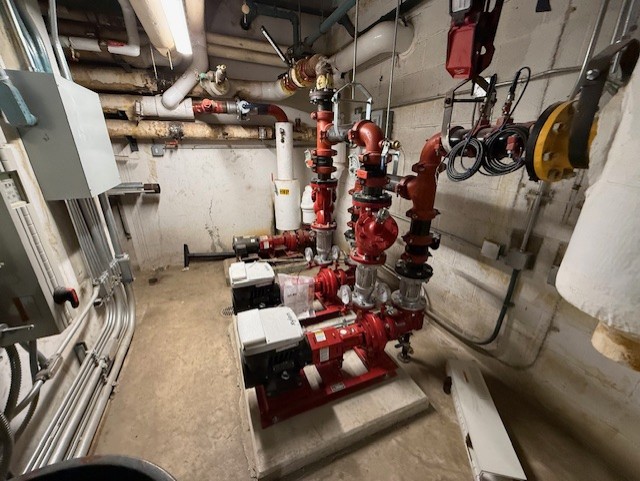
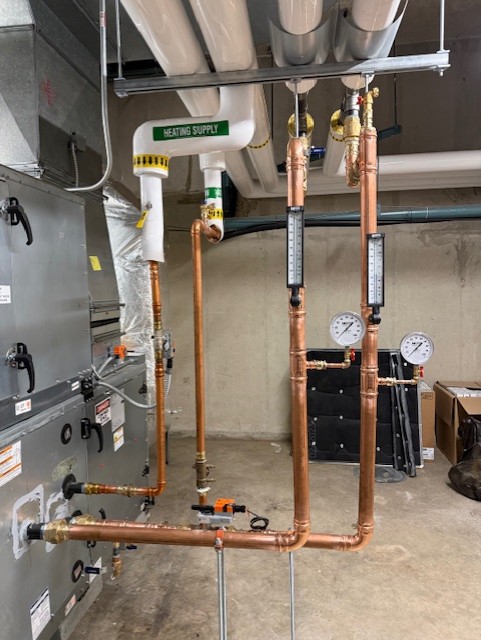
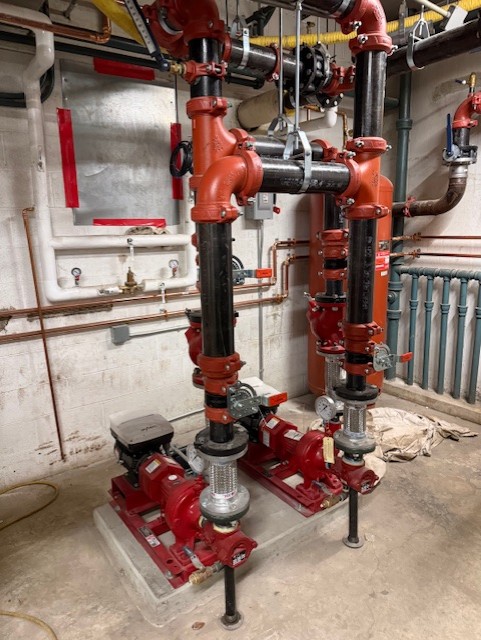
When an existing commercial utility facility required a complete mechanical refresh of its heating and cooling systems, the project team—working from a plan-and-spec design—turned to Controlled Air, Inc. to execute the installation. What followed was a coordinated effort that replaced aging, inefficient boilers with a new high efficiency boiler, upgraded the chilled water plant with a larger, quieter Trane air cooled chiller, and uncovered a hidden piping leak that had been quietly wasting water and driving up utility costs for years.
The Result
projected energy savings of 20–30%, improved system capacity, reduced noise impact on the surrounding property, and a facility that is better positioned for future expansion.
Boiler Replacement: Switching to Lochinvar for Faster Delivery and Higher Efficiency
The Challenge
The existing heating plant relied on standard atmospheric boilers that, at their best, operated at approximately 75% thermal efficiency. As the equipment aged, performance degraded further, meaning a significant portion of every energy dollar spent on natural gas was going straight up the flue. The client had a completion deadline, and lead times on the originally specified equipment threatened to push the project well past that window.
The Solution
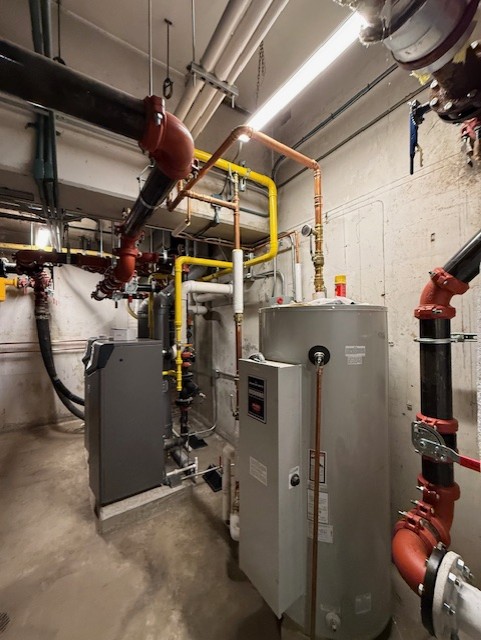
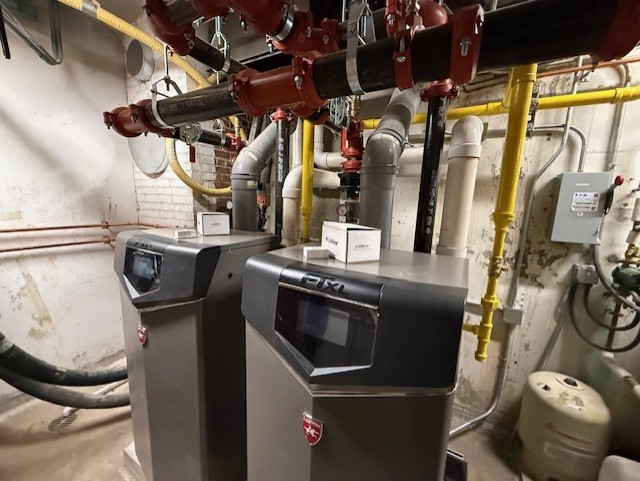
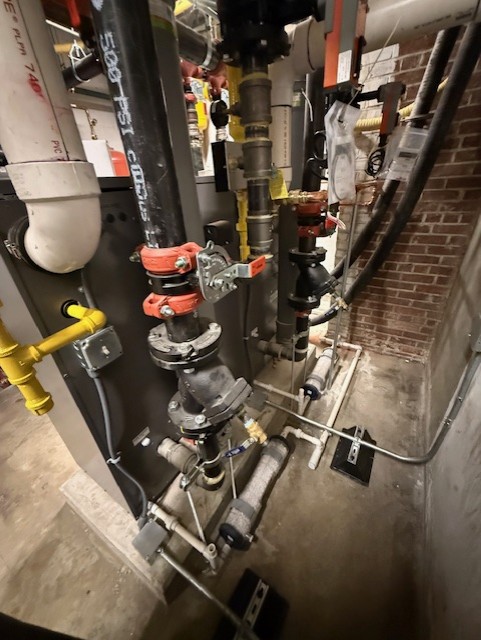
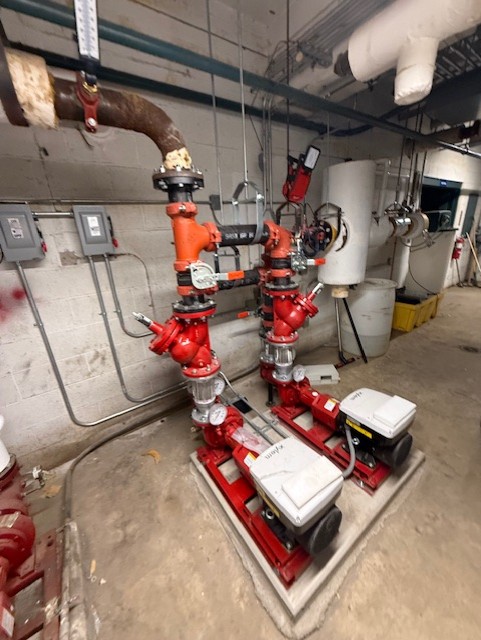
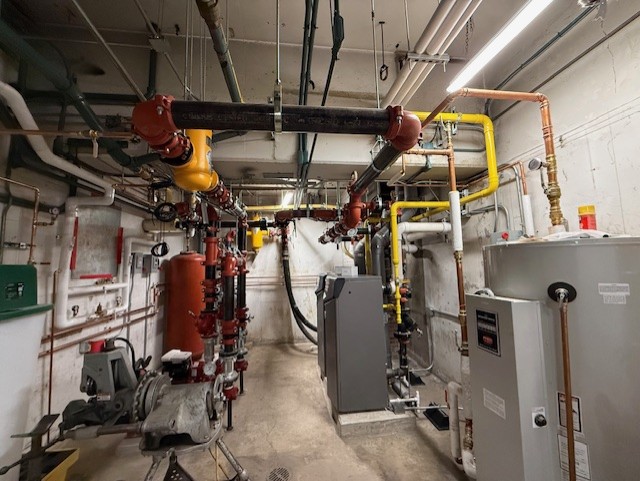
Working within the plan-and-spec framework, the installation team pivoted to Lochinvar’s FTXL850 high-efficiency condensing boiler—a decision driven by two factors: superior availability and significantly better performance. The Lochinvar FTXL850 operates on natural gas at 97% thermal efficiency, representing a dramatic improvement over the legacy equipment.
To keep the project on the client’s accelerated schedule, Controlled Air’s mobile boiler was brought online during the transition period, allowing the building to maintain heat while the permanent equipment was installed. This approach kept the project moving without sacrificing occupant comfort.
Scope of Work
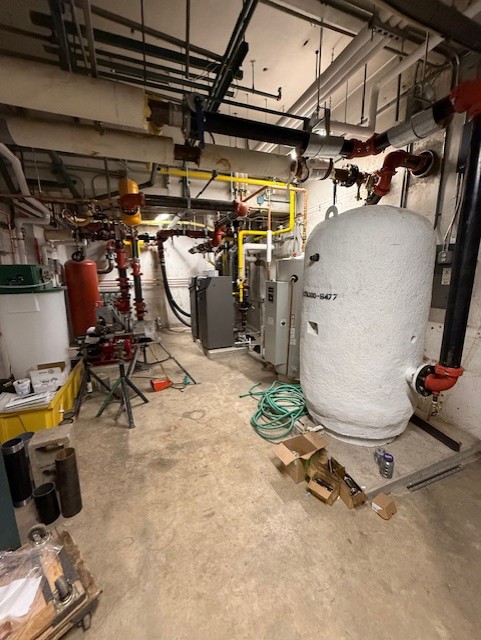
The boiler replacement involved more than just swapping equipment. The full scope included:
- Installation of the new Lochinvar FTXL850 natural gas condensing boiler (97% AFUE)
- Decommissioning and closure of the existing flue system
- Design and installation of a new flue and exhaust configuration appropriate for high-efficiency condensing operation
- Temporary mobile boiler deployment to maintain heating continuity during construction
Efficiency Impact
The jump from roughly 75% efficiency (legacy boilers) to 97%+ (Lochinvar FTXL850) is not a marginal gain—it is a fundamental transformation of how the building uses energy. For every unit of gas consumed, the new system extracts substantially more usable heat. Over the course of a heating season, that difference adds up to measurable reductions in fuel consumption and utility costs.
Trane Air Cooled Chiller: Expanded Capacity, R-454B Refrigerant, and Quieter Operation
The Upgrade
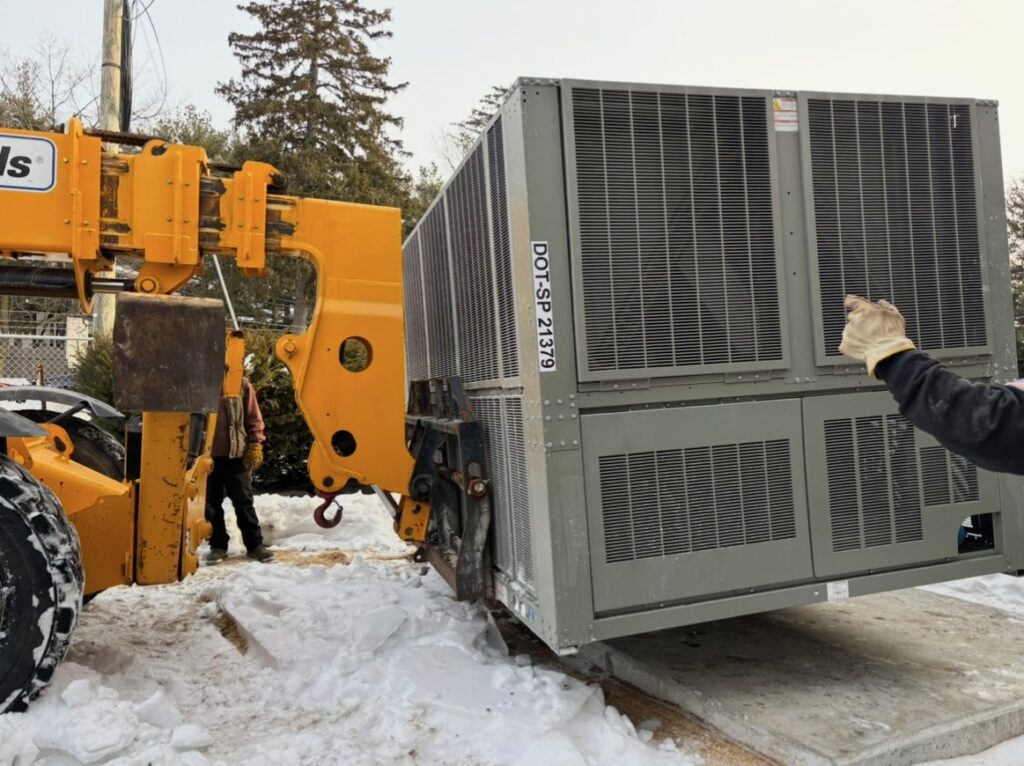
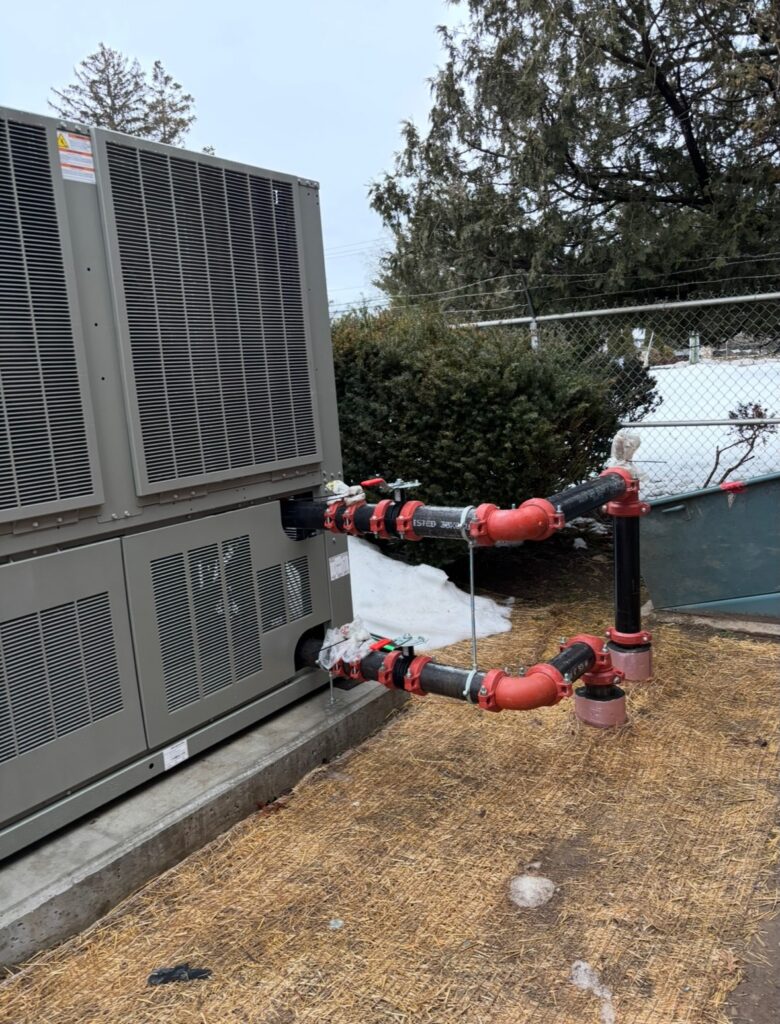
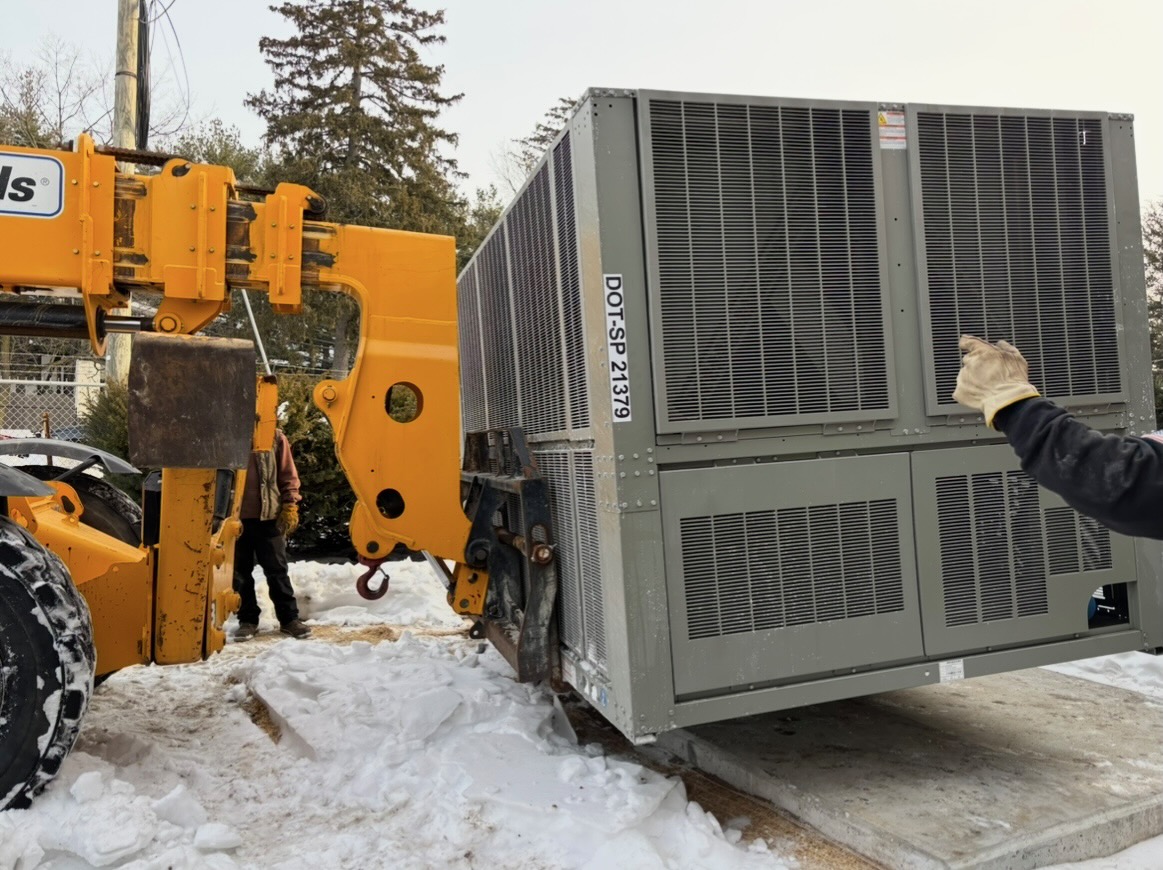
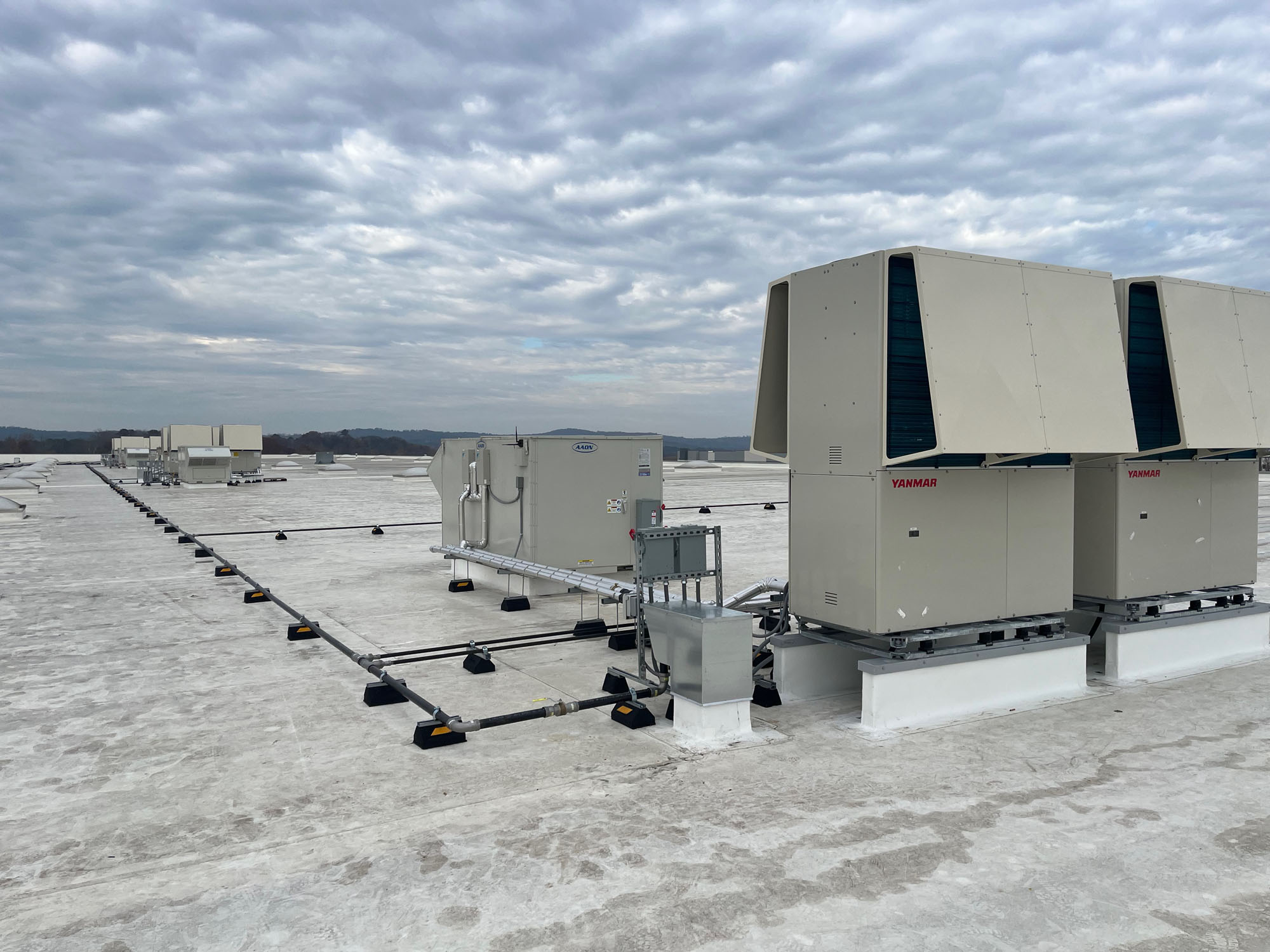
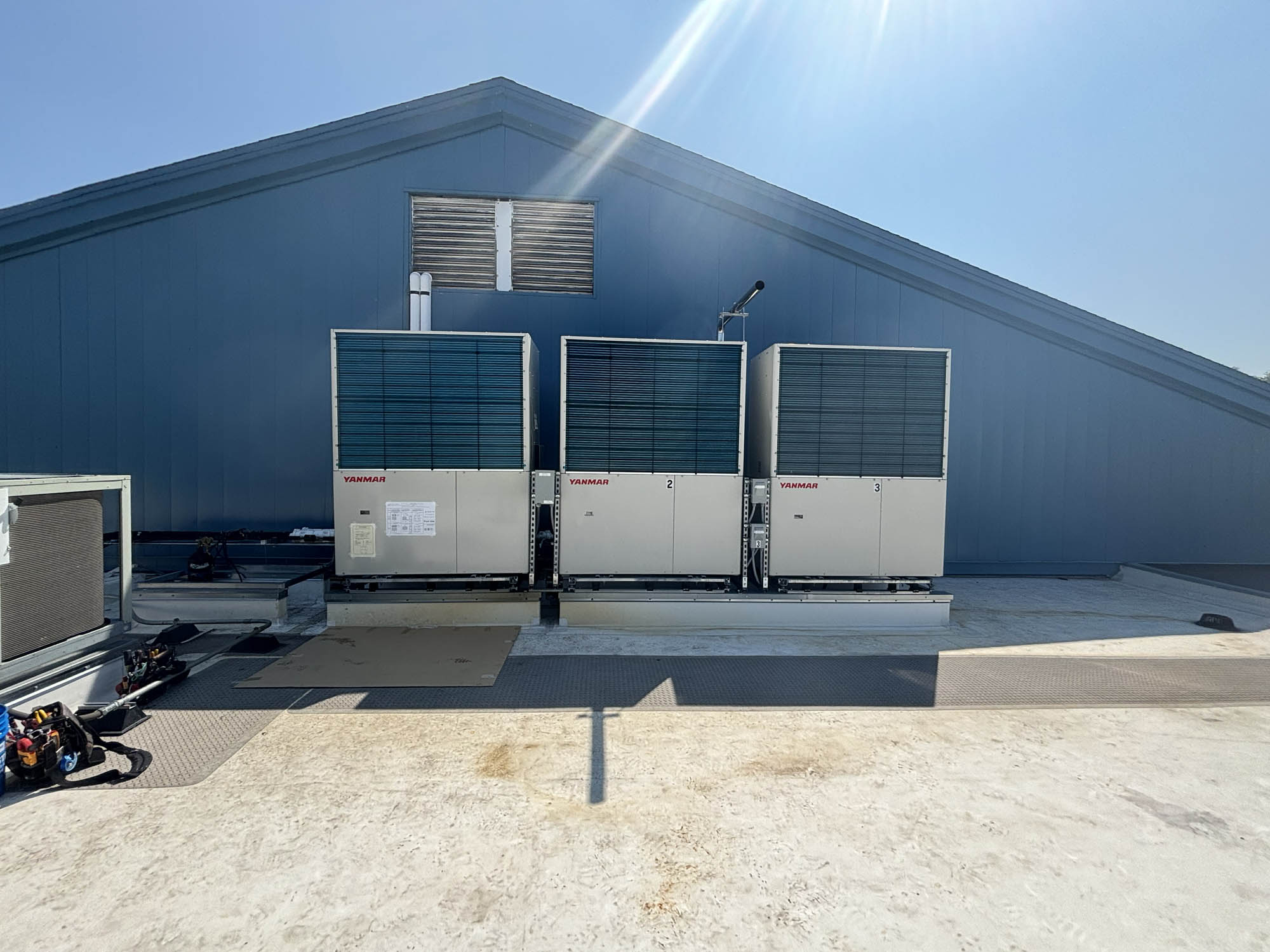
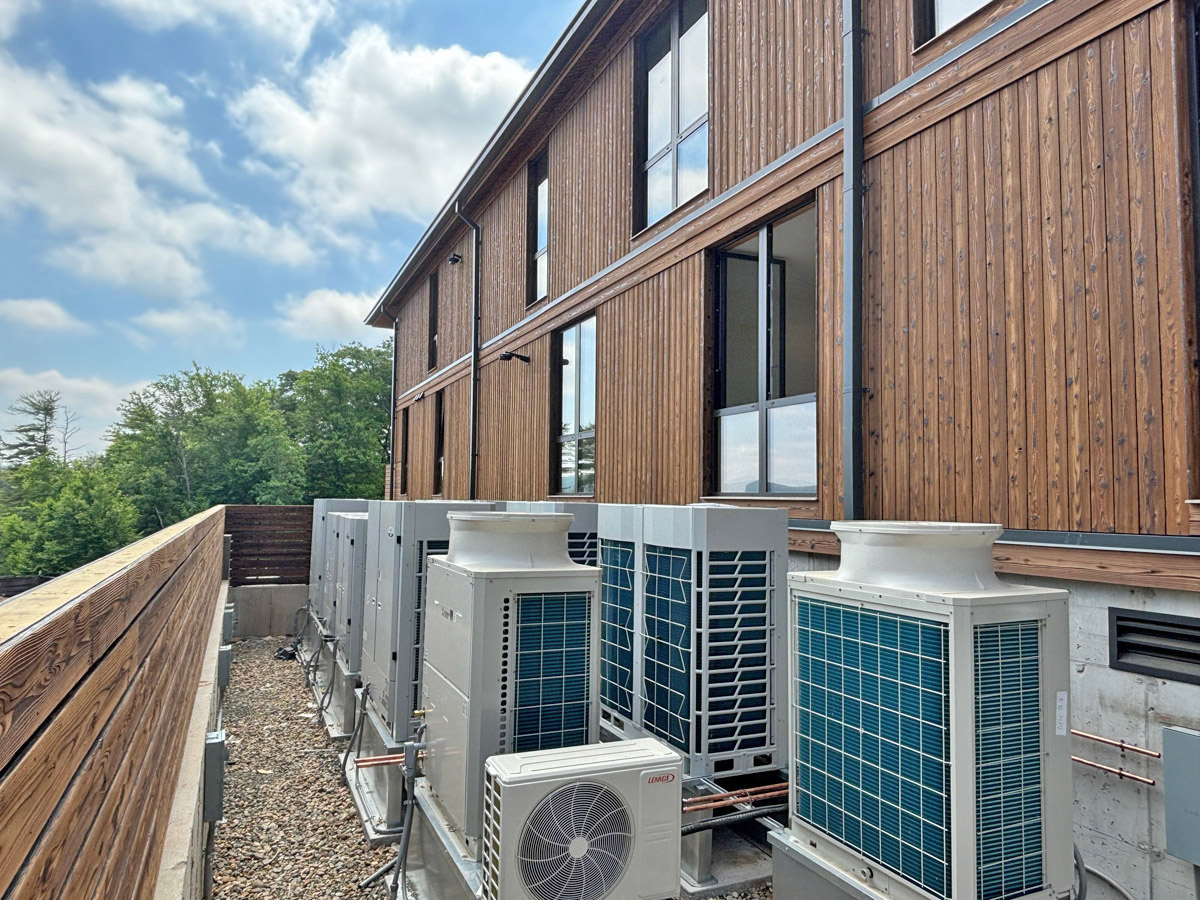
The chilled water system received an equally significant overhaul with the installation of a new Trane high-efficiency air cooled chiller. The replacement unit was intentionally sized larger than the original equipment—a forward-thinking decision that gives the facility the capacity to accommodate an additional chilled water coil as the building’s cooling needs growth.
Refrigerant: R-454B
The new Trane unit operates on R-454B refrigerant, a lower global warming potential (GWP) alternative that aligns with evolving environmental regulations and positions the facility for long-term compliance. As HFC phase-down requirements continue to take effect, buildings with updated refrigerants will face fewer regulatory hurdles and potentially lower service costs.
Noise Reduction: A Quiet Package for Community Compatibility
One of the specification requirements for this project was minimizing the acoustic impact of the new outdoor condensing unit. The Trane unit was selected and configured with a quiet package designed to reduce sound levels at the property line—an increasingly important consideration as municipalities across Connecticut and Rhode Island continue to strengthen noise ordinance enforcement.
For facilities in mixed-use areas, near residential zones, or in communities with active noise regulations, specifying a quiet-package condensing unit is a straightforward way to prevent compliance issues before they arise. Engineers and general contractors should consider acoustic performance alongside energy efficiency when selecting outdoor HVAC equipment.
Projected Savings
Taken together, the boiler and condensing unit upgrades are projected to deliver 20–30% savings in overall energy consumption compared to the previous system. Factors driving those savings include:
- Higher thermal efficiency from condensing boiler technology (75% → 97%+)
- Modern compressor and refrigerant circuit efficiency in the new Trane unit
- Elimination of standby losses associated with aging equipment
- Right-sized cooling capacity that reduces short-cycling and improves system runtime efficiency
Bonus Find: Repairing a Hidden Piping Leak
During the course of the project, the installation team identified a leak in the piping connecting the air cooled chiller to the building’s chilled water system. The leak, located at the exterior connection point, had gone undetected and was causing the system to consume excess makeup water—an ongoing operational cost that the facility’s management team likely did not realize they were carrying.
Repairing the leak was incorporated into the project scope, stopping the waste and restoring the system to proper operating condition. It is a straightforward example of the value that an experienced installation team brings to a project: the ability to recognize when something is wrong, communicate it clearly, and fix it—rather than simply completing the contracted scope and moving on.
Key Takeaways
This project illustrates several principles that are worth carrying into future mechanical retrofits and new construction specifications:
- Equipment availability matters. When lead times threaten a project schedule, there are often high-performance alternatives that meet or exceed the original specification. Flexibility in the procurement process—without sacrificing efficiency targets—can keep projects on track.
- Condensing boiler technology delivers real returns. The efficiency gap between standard boilers and modern condensing units is substantial. For any project where natural gas heating is part of the design, condensing boilers should be the baseline specification, not an upgrade.
- Refrigerant selection has long-term implications. Specifying R-454B and similar next-generation refrigerants now avoids costly retrofits as HFC regulations tighten in the coming years.
- Acoustic performance is a specification item. In municipalities with noise ordinances—and their number is growing—quiet-package equipment is not a luxury; it is a risk management tool.
- Site observation has value. Scheduled walkthroughs and attentive installation teams catch problems—like the piping leak on this project—that save clients money and prevent larger failures downstream.