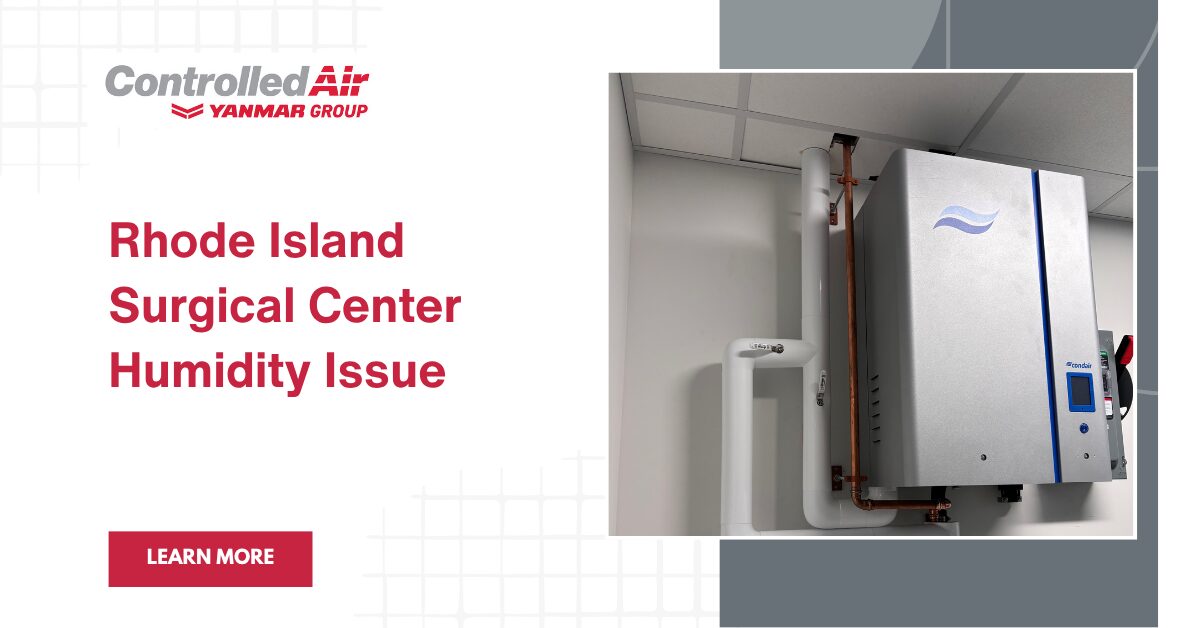
Community Hospital Operating Room HVAC Retrofit
When a Community Hospital identified concerns with environmental conditions in its six operating room suites, the facilities team engaged Controlled Air to evaluate the existing HVAC systems and develop corrective solutions.
Controlled Air was asked to review the current equipment and provide options to:
- Bring operating room air changes into compliance with current code requirements
- Resolve persistent humidity issues
- Improve temperature and comfort control for surgical staff
HVAC Engineering Assessment
A comprehensive evaluation by Controlled Air’s in‑house engineering team determined that the existing systems were originally designed in the early 1990s and no longer met modern operating room requirements.
Key HVAC System deficiencies identified included:
- Air handling equipment undersized for effective dehumidification
- Insufficient reheat capacity to maintain staff comfort
- Inability of the central chilled water system to deliver the low water temperatures required for proper latent moisture removal during summer conditions
- Operating room airflow levels substantially below the current minimum requirement of 20 air changes per hour
These conditions contributed to challenges in maintaining temperature, relative humidity, and airflow compliance within the surgical suites.
Controlled Air’s Design/Build Solution
Recognizing the urgency and regulatory importance of these issues, the hospital elected to move forward with Controlled Air’s design/build solution.
The proposed system retrofit includes:
- A new dedicated air handling unit capable of delivering code‑mandated airflow rates
- A chilled water coil selected to achieve the desired leaving air temperature at increased airflow, ensuring proper dehumidification
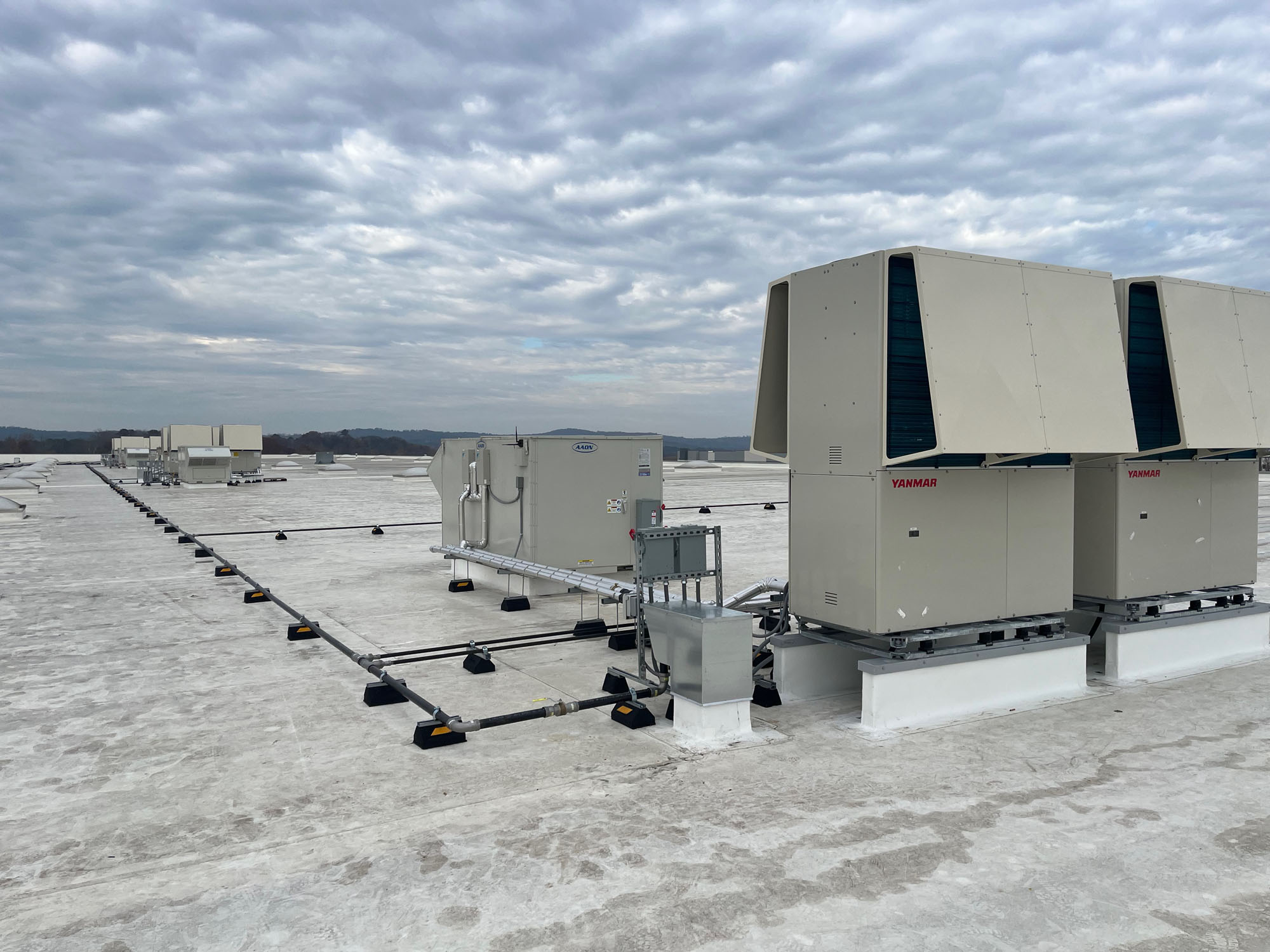
- A new air‑cooled chiller engineered to supply lower chilled water temperatures independent of the existing central plant
To enhance system reliability, the design incorporates a remote evaporator configuration that eliminates the need for glycol antifreeze. This approach allows a direct tie‑in to the hospital’s existing chilled water system, providing redundancy in the event of air‑cooled chiller downtime.
Project Status and Next Steps
The project is currently under contract, with completion scheduled for the end of this year.
A parallel phase of work will add reheat coils and upgraded controls in surgery support areas, further improving occupant comfort while maintaining precise relative humidity control within the operating suites.
Why It Matters
By addressing airflow deficiencies, improving dehumidification, and adding system redundancy, the Hospital will gain:
- Safer surgical environments with consistent temperature and humidity control
- Improved staff comfort and performance during long procedures
- Reduced regulatory and accreditation risk through code compliant design
- Greater system resilience, minimizing downtime and operational disruption
- A HVAC System ready for increasing standards and regulations.
A well-designed operating room HVAC system is not just a facilities upgrade, it is a direct investment in patient care quality, clinical efficiency, and long-term operational reliability.
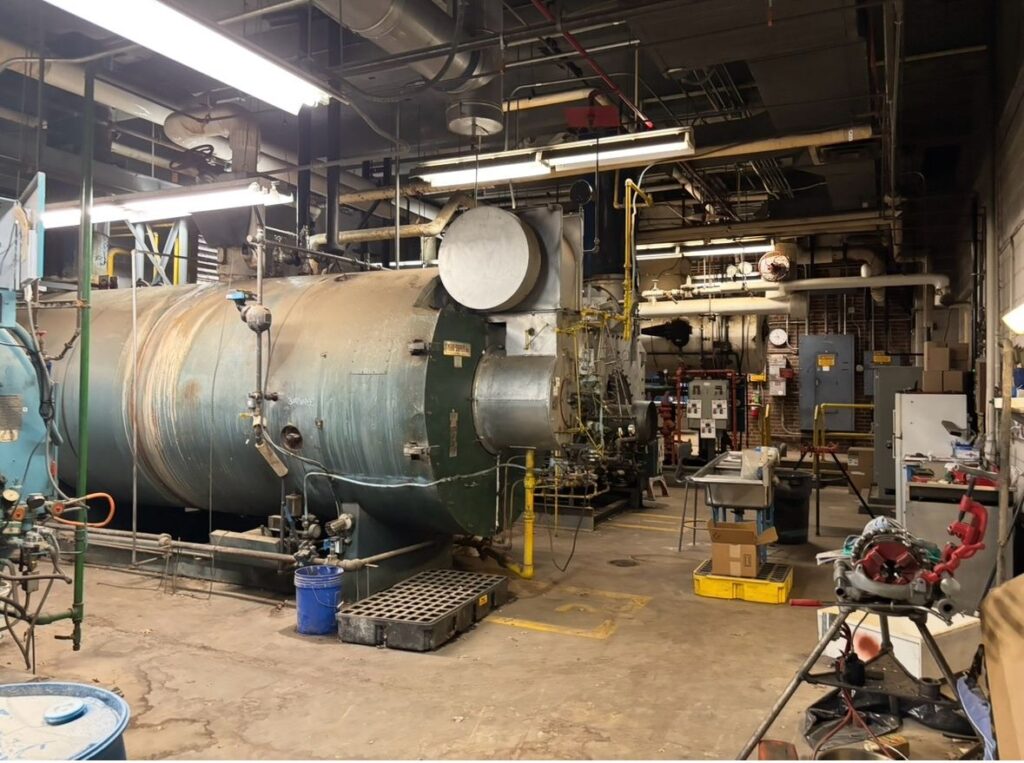
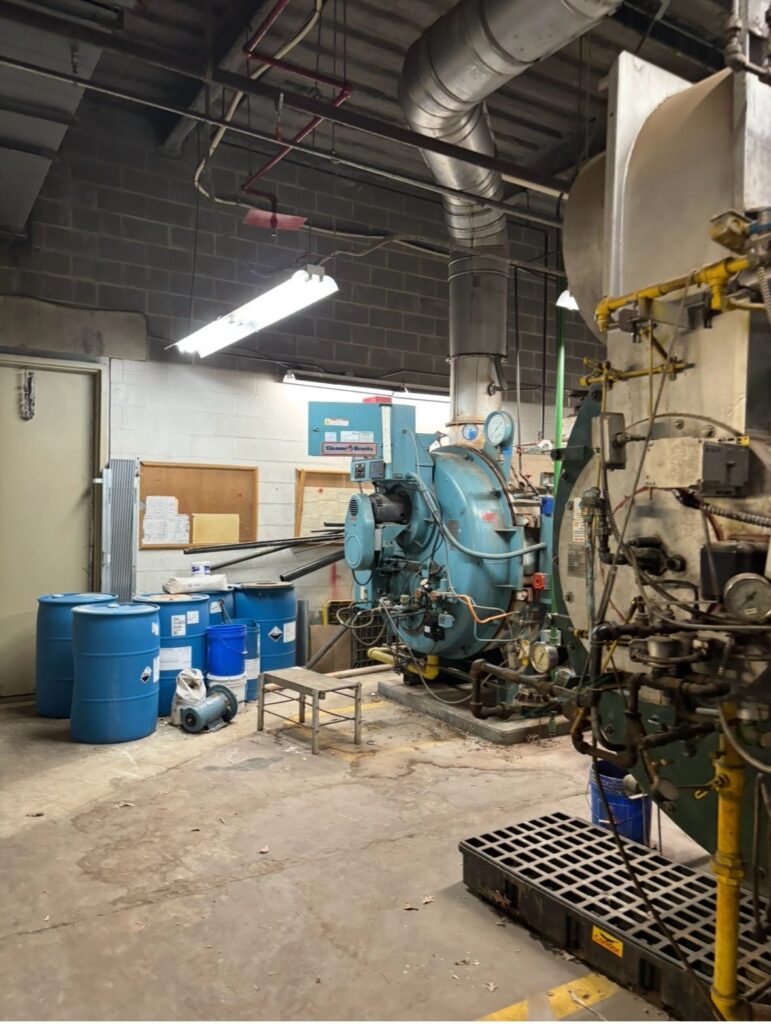
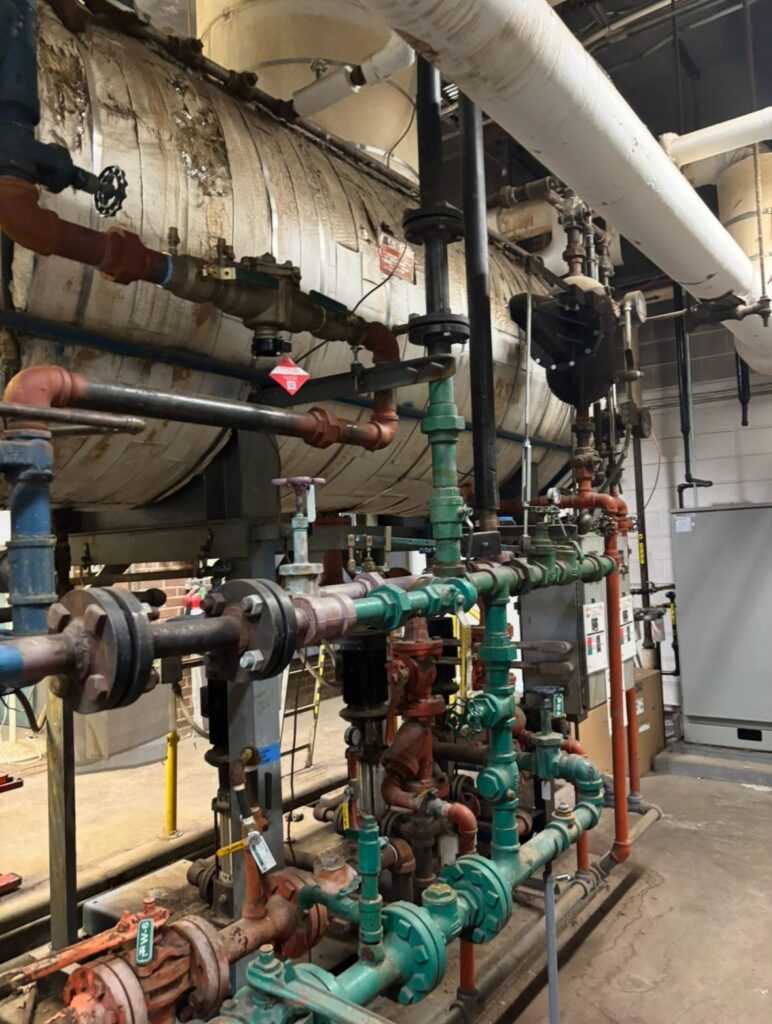
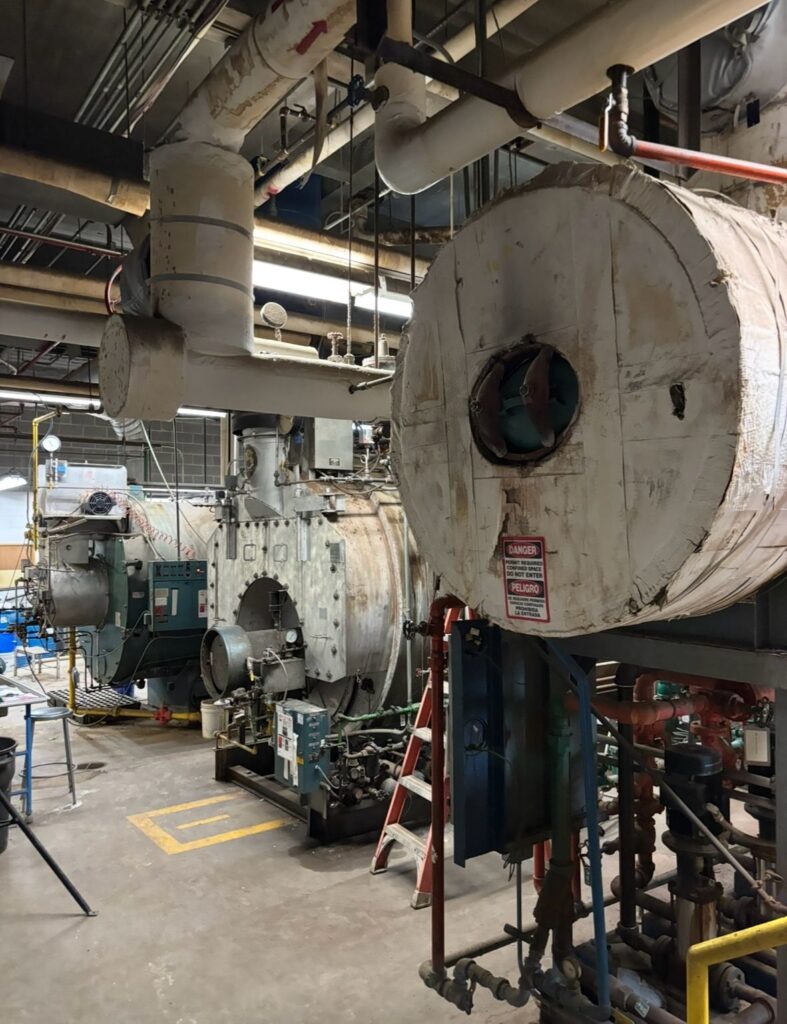
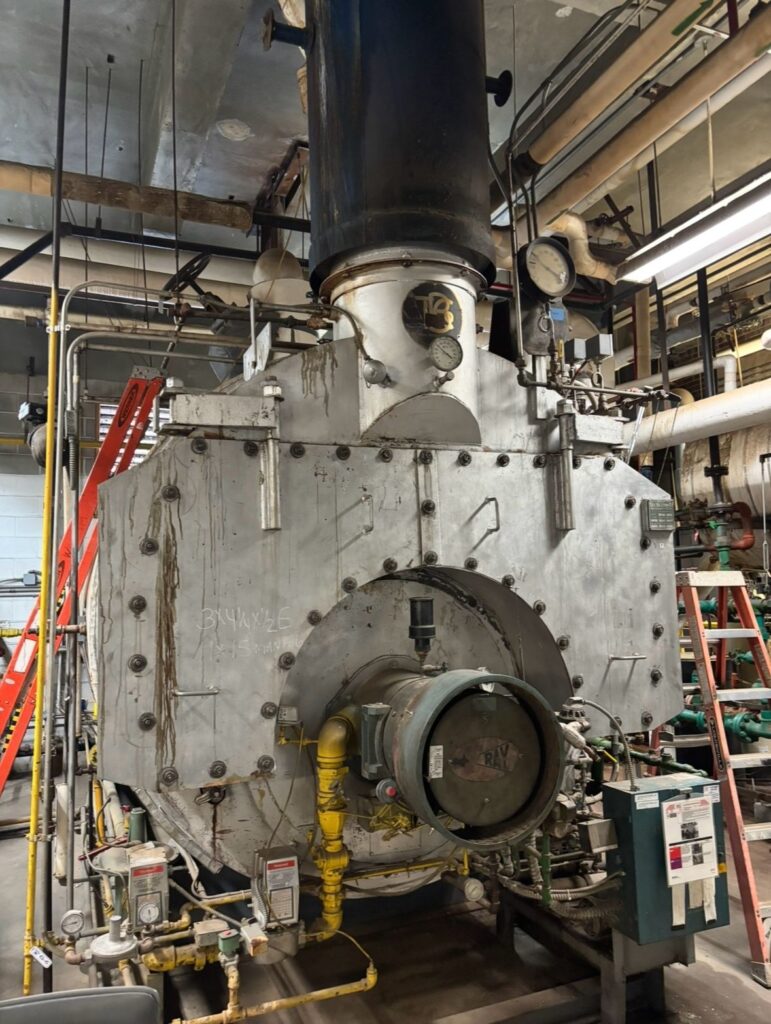
Check out our before pictures below and watch out for updates and completed photos last this year!
BEFORE